
Description
Frozen Pork Neck Bone – Rich Flavor and Essential Cut for Authentic Broths and Slow-Cooked Dishes
A flavorful dish often starts with the right foundation, and Frozen Pork Neck Bone is a trusted choice for creating deep, satisfying flavors. Popular among restaurants, chefs, and food manufacturers, this pork cut is valued for its rich taste, natural collagen, and ability to enhance soups, stews, and traditional recipes.
This guide explains the benefits of pork neck bones, the best cooking methods, storage practices, and why this cut remains a valuable ingredient in professional kitchens.
What Is Frozen Pork Neck Bone?
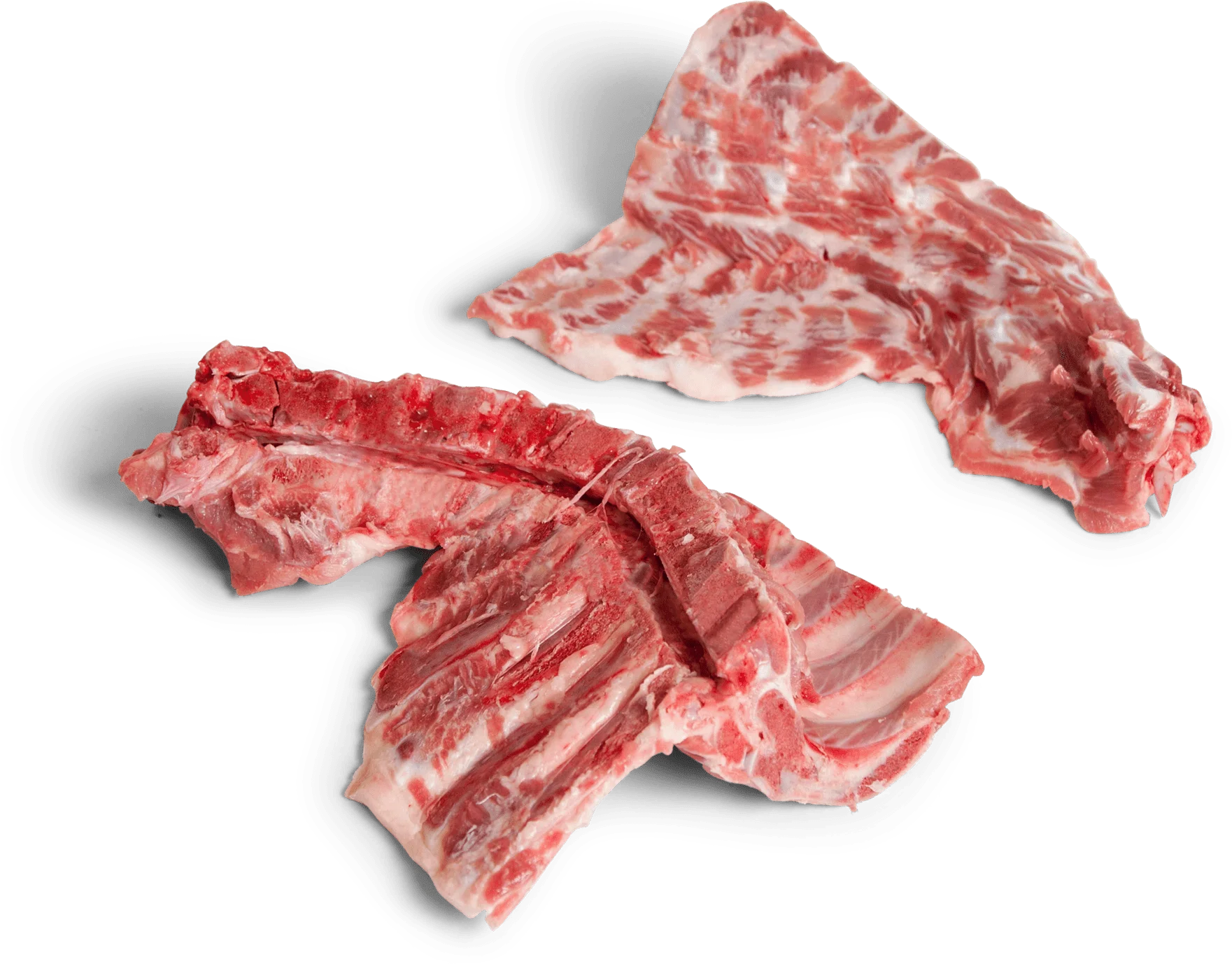
Pork neck bones are sourced from the neck section of the pig and contain a combination of bone, connective tissue, and small amounts of meat. Although it is not a typical lean meat cut, it plays an important role in cooking because it releases rich flavors and natural gelatin when simmered.
The collagen and marrow from the bones contribute body, texture, and depth to broths and sauces, making it a preferred ingredient for slow-cooked dishes.
Why Choose Frozen Pork Neck Bone?
Creates Deep, Rich Flavor
The main advantage of pork neck bones is their ability to add a naturally rich pork taste to recipes. During slow cooking, the bones release flavorful compounds that improve the overall character of soups and stews.
Common uses include:
- Pork broth
- Noodle soups
- Stews
- Hot pot dishes
- Traditional family recipes
- Sauce bases
Natural Collagen for Better Texture
When cooked slowly, the connective tissues in pork neck bones break down and release collagen. This creates a fuller texture and gives broths a smooth, satisfying mouthfeel.
This quality makes neck bones especially useful for recipes where a rich and hearty base is desired.
Best Cooking Methods for Frozen Pork Neck Bone
Slow Simmering
Slow simmering is the most common preparation method. Cooking over low heat allows the flavors to gradually develop while extracting nutrients and richness from the bones.
For a flavorful broth:
- Rinse and clean the bones before cooking
- Use aromatic ingredients such as ginger, garlic, onions, or herbs
- Simmer for an extended period
- Remove impurities during cooking for a cleaner broth
Soups and Stews
Flavorful pork cuts like pork neck bones add depth to many comfort foods. They pair well with vegetables, noodles, beans, and traditional spices.
Popular combinations include:
- Root vegetables
- Leafy greens
- Asian-style seasonings
- Tomato-based sauces
- Herbal broths
Pressure Cooking
For faster preparation, pressure cooking can help soften connective tissues while preserving the rich pork flavor.
This method is useful for busy kitchens that need efficient preparation without sacrificing taste.
Benefits of Frozen Pork Neck Bone for Commercial Kitchens
Frozen pork products provide restaurants and food suppliers with practical advantages, including:
- Extended storage life
- Reliable year-round availability
- Easier inventory planning
- Reduced product waste
- Consistent cooking results
For professional buyers, properly processed frozen cuts help maintain quality and supply consistency.
Storage and Handling Guidelines
Correct storage is essential to maintain freshness and food safety.
Recommended practices:
- Keep the product frozen until needed
- Store at appropriate freezing temperatures
- Avoid repeated thawing and refreezing
- Thaw safely under refrigeration
- Handle with clean equipment and surfaces
Following proper handling procedures helps preserve flavor and quality.
How to Select Quality Frozen Pork Neck Bone
When purchasing pork neck bones, consider:
- Hygienic processing standards
- Clean packaging
- Consistent sizing
- Reliable sourcing
- Proper freezing methods
For restaurants and wholesalers, consistent quality ensures better portion control and dependable menu preparation.
Frequently Asked Questions (FAQs)
What is pork neck bone mainly used for?
Pork neck bones are commonly used to make rich broths, soups, stews, and slow-cooked dishes because they provide deep flavor and natural gelatin.
Does pork neck bone contain meat?
Yes. Although it is primarily a bone cut, it contains small amounts of flavorful meat and connective tissue that enhance cooked dishes.
Is frozen pork neck bone good for making stock?
Yes. It is an excellent choice for stock because the bones release flavor, collagen, and richness during long cooking.
How long should pork neck bones be cooked?
Cooking time depends on the method, but slow simmering for several hours generally produces the best flavor and texture.
Final Thoughts
Pork neck bones are an essential ingredient for anyone seeking rich, traditional flavors in soups, broths, and slow-cooked recipes. Its combination of bone, collagen, and natural pork flavor makes it a valuable choice for both professional chefs and food businesses.
For buyers looking for a versatile ingredient that adds depth and authenticity to dishes, pork neck bones remain a reliable kitchen staple.